Pregnancy loss within communities
Pregnancy loss within Black and Black mixed heritage communities
Pregnancy loss is a deeply personal experience, and while no two experiences are the same, it is important to recognise that certain groups face additional challenges and inequalities that deserve specific attention. For Black and Black mixed heritage women and birthing people, this includes a significantly higher statistical risk of pregnancy loss itself.
Research has identified that Black women face a 43% increased risk of miscarriage compared to white women*. We know that encountering a statistic like this can feel alarming.
Miscarriage UK strongly support the urgent need to understand the reasons behind this disparity and to work towards closing the gap because this difference is unacceptable.
*The Lancet, Miscarriage Matters, April 26, 2021
Why is the risk of miscarriage greater for Black women?
It is not fully understood why there is an increased risk of miscarriage for Black women as there is a substantial and unacceptable research gap. Reasons are likely to be complex and multifaceted, including:
- Inequality in healthcare and treatment.
- Conscious and unconscious bias/racism in healthcare, including the longstanding false assumption that Black people experience pain differently to white people. Birthrights have documented the impact of racial injustice in maternity care: https://birthrights.org.uk/campaigns-research/racial-injustice/
- Wider structural inequalities, including socioeconomic factors, stress related to experiences of racism, and disparities in how symptoms are taken seriously, are all likely to contribute.
- Biological factors – it is unclear whether certain health conditions, which are more common among Black and Black mixed heritage women, may contribute to the higher risk of miscarriage, for example fibroids. Urgent research is needed.
Experiences of care and support
Lived experience is at the heart of understanding what better care and support looks like. The voices below reflect some of the ways in which pregnancy loss can feel different, and more isolating, for Black and Black mixed heritage people, and what needs to change. We are grateful to everyone who has shared their story.
Natasha
Miscarriage UK trustee, Natasha, who experienced 8 miscarriages, didn’t always feel as though she was taken seriously. Read more here and watch her story below.
“It’s frustrating because we’ve been told about the problem, but we haven’t been given a solution”. Natasha.
Zainab
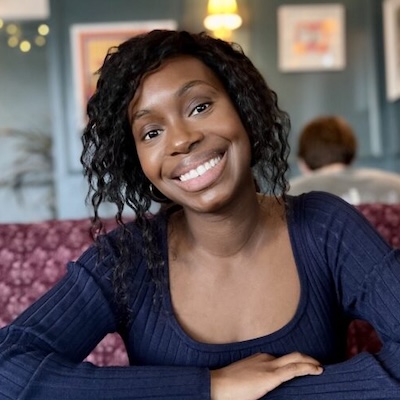 Zainab lost her baby Noa during the second trimester, below you can hear her thoughts on whether being Black affected the care she received and what kind of support she feels should be available. A transcript is also available here.
“One of the things I could have really benefited from was a targeted counselling service. I would have felt more comfortable in a space I could probably relate to more”.
Ola
 Ola, one of our Trustees, shares his thoughts on experiencing pregnancy loss in a mixed culture family, which you can read in full here.
“What unfortunately stood out for us was how few stories and voices were heard from people with similar backgrounds to us regarding baby loss. It would have really helped us to see and hear the experiences of people who came from similar cultures”.
Further information and support
We’re here to provide pregnancy loss support and information, but there are also many other organisations that can offer support specifically for Black and Black mixed heritage people.
While we suggest the following external pages might be helpful, please note that we have no control over their content:
Five X More – a Black women-led organisation campaigning to improve Black maternal health outcomes in the UK, with dedicated bereavement support for those affected by pregnancy and baby loss.
Black Baby Loss Awareness Week (BBLAW) – an annual awareness week founded by Tommy’s midwife Alicia Burnett, shining a spotlight on pregnancy and baby loss in Black communities and the support services available.
Alicia Burnett – registered midwife, baby loss campaigner, and founder of BBLAW.
Black Mothers Matter – a not-for-profit organisation supporting and celebrating Black pregnancies across the UK, working with communities and NHS professionals.
Black Mamas Birth Village – a community and antenatal programme for Black pregnant women, providing culturally relevant birth education and peer support.
Pregnancy Loss within the LGBTQ+ Community
Pregnancy loss is a challenging experience for anyone, but for many LGBTQ+ people*, there are additional layers of difficulty, notably language, systems and support services that are designed with heterosexual, cisgender experiences in mind. When discourses don’t reflect your circumstances or identity, this can deepen the isolation and distress that accompanies pregnancy loss.
*Lesbian, Gay, Bisexual, Transgender, Queer or Questioning. The + recognises that this is not an exhaustive list and is inclusive of all identities not individually named.
Personal stories
Hearing from others who have been through something similar can make a real difference – especially when those experiences reflect your own. We are grateful to everyone who has shared their story with us.
Laura-Rose
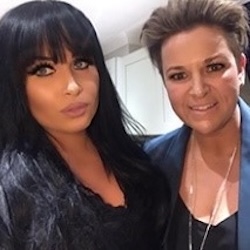 Laura-Rose writes honestly about the isolation she and her wife Stacey felt in navigating pregnancy loss as two mothers. She shares how they channelled that experience into creating something meaningful for others in the LGBTQ+ community. Read their story here.
“There’s a lack of understanding about the dynamics of LGBT+ relationships and how loss can affect each person in different ways”.
Jess
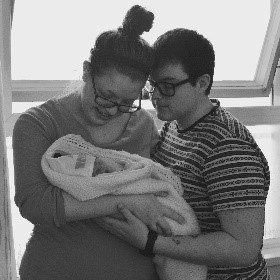 Jess writes about the losses she and her wife Natalie experienced – including enduring a miscarriage and the stillbirth of their son Leo. Out of this grief, they created an inclusive online space to help other LGBTQ+ individuals navigating pregnancy loss. Read their story here.
“Early pregnancy is such a lonely time. There is no-one who can help you, and give you the reassurance that you need. What is just a few weeks to some, feels like a lifetime of energy and anxiety, and fight to stay positive”.
Erin and Rachel
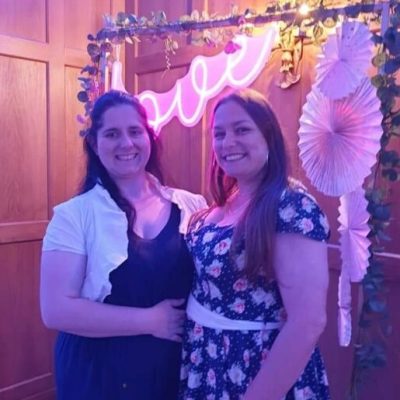 Erin and Rachel share their experience of pregnancy loss following IUI fertility treatment, writing openly about the physical process, disclosing to those around them, and the support they found in each other, family and healthcare. Erin has since become a volunteer for Miscarriage UK. Read their story here.
“They checked again and still the heartbeat was gone. Our baby was gone. I remember walking out of the hospital in a numb bubble with Erin – holding the weight of this new, awful news between us”.
We have more personal stories of LGBTQ+* pregnancy loss, which you can find here.
*We recognise that the LGBTQ+ stories we presently feature are from lesbian couples and females. We are working to expand on these. If you are part of the LGBTQ+ community and would like to share your story of pregnancy loss, we’d like to hear from you. We’d particularly welcome gay, trans or non-binary experiences. Please get in touch by emailing [email protected]
Your experience could help someone else feel less alone.
Accessing Support
We run a dedicated online support group specifically for people who identify as LGBTQ+ and have experienced miscarriage, ectopic pregnancy or molar pregnancy.
We meet on the third Wednesday of each month, from 8.30pm – 9.30pm, via Zoom, and provide a safe space open to those who have experienced the physical loss, as well as partners. You can choose whether to have your camera on or off, and whether to speak or simply listen – whatever feels right for you. You can also invite a friend or loved one to sit with you.
View dates and book here.
LGBTQ+-Specific Resources
Below we include a range of organisations, communities and articles you may find helpful:
- The Legacy of Leo blog – Created by Jess sharing her personal experience. Jess also hosts Baby Loss Hour, offering space for connection.
- LGBT Mummies, founded by Laura-Rose and Stacey offers support groups, community spaces and campaigning for LGBTQ+ families.
- Amos Anchors provide resources for those affected by pregnancy loss, including a dedicated collection for LGBTQ+ parents, such as blogs, websites, books, podcasts and more.
- LGBTQ Reproductive Loss offers a comprehensive list of resources and guidance around miscarriage, stillbirth, adoption loss, infertility and sterility. Their advice section includes insights from those with lived experience, as well as guidance for supporting others.
- Fertility Network UK hosts monthly online (Teams) support groups for LGBTQ+ individuals undergoing fertility treatment. Their private Facebook support group can be accessed via the website.
Articles and information
- Sue Ryder LGBTQ+ grief support article – explores the unique challenges of grief within LGBTQ+ communities, including experiences of baby loss, offering sensitive, practical guidance.
- The Royal College of Obstetrics and Gynaecology’s blog written by a same-sex couple shares their fertility journey.
General bereavement and pregnancy loss support
- RTZ Hope – an online community supporting bereaved LGBTQ+ parents and families. Includes information on fertility journeys, financial considerations, and the experiences of non-birthing parents.
- Cruse Bereavement Support [link], A national charity offering support, advice, and information for anyone experiencing grief.
- Baby in Heaven – Provides a directory of online support groups for bereaved parents.
If you have located any other resources that have helped you, we’d really value you sharing them with us so we can support others, please get in touch.