
Our Support Line:
0303 003 6464
Learning outcomes
After completing this unit you will:
- Recognise that it can be upsetting for health professionals to discuss issues surrounding miscarriage with women
- Know the importance of giving yourself time
- Know where you can find your support
Challenges for health professionals
All health professionals working with women experiencing pregnancy loss may find the experience challenging and upsetting. Try to be aware of your own needs and make sure that there is support for you and your colleagues.
Click to see the challenges that these health professionals mention.
Ambulance staff
Ambulance staff
It’s difficult knowing how to phrase words, having confidence in my own knowledge to be able to sufficiently answer questions, and not feeling I have the experience to be able to clearly explain what the woman should expect: physical symptoms, emotional features.
How health professionals are affected
Click on the areas below to see how different health professionals may be affected. Whatever your role, you will find it helpful to look at all these areas.
Accident and emergency
Accident and emergency
Working in A&E can be hugely rewarding but there’s no denying that it can also be very stressful.
Women who attend because of suspected or obvious pregnancy loss are unlikely to be viewed as emergencies. By the time they reach you, their levels of anxiety, distress and possibly pain may be very high.
You might encounter some difficult emotions not only from the woman but also from anyone accompanying her.
Professionals doing the scan
Professionals doing the scan
Scanning in early pregnancy can be like a roller-coaster – giving good news to one happy woman and then potentially devastating news to the next. Dealing with those emotional extremes can be very stressful.
General practice
General practice
Caring for women with pregnancy loss can be stressful.
They are likely to be anxious, distressed, grieving or even angry. They may express wants and needs that you just can’t meet. What’s more, you are their central port of call, even if they also have hospital care.
However good that care is, it is brief. It’s the GP who is going to be looking after them after their loss and in the longer term.
Ambulance crews
Ambulance crews
Working in the ambulance service can he hugely rewarding but it can also be stressful, especially when you are treating people with life-threatening illness or injuries.
The extra factor in dealing with women experiencing a miscarriage is that you have an additional invisible patient, one whose life you are very unlikely to be able to save or prolong. But that may not be the woman’s perspective.
Her levels of anxiety and distress may be very high and you might encounter some difficult emotions not only from her but also from anyone accompanying her.
Identify the difficulties
Being aware of the potential difficulties can help you to be more prepared for some of the emotional challenges facing you as a health professional. These might include your own experiences too, especially if you have been through pregnancy loss yourself or are currently pregnant.
Use the links below to find out more about how you can prepare yourself to manage some of these challenges in a variety of situations.
Accident and emergency
Accident and emergency
Reactions that can be difficult to deal with:
- anxiety, desperation for you to ‘do something’, solve the problem
- tears
- insistence on a second (better?) opinion
- anger and blame – especially if directed at you
- withdrawal – not wanting to communicate or engage in eye contact
Particular situations that can be difficult or distressing:
- a woman or loss that you identify with due to your own experience
- your own views and values on the significance of some cases, especially compared with other A&E presentations
The context, especially when there is also a time pressure:
- the need to confer with colleagues
Explaining and organising referral to other departments, for example:
- when you have no control over time-lines
- when you have little information about next steps there for the woman
- lack of follow-up – never knowing the outcome of your care
Ultrasound scanning
Ultrasound scanning
Reactions that can be difficult to deal with:
- tears: is there a point at which they become difficult or is it the kind of crying – silent tears or noisy sobs?
- shock, numbness, no obvious response
- disbelief and insistence on a second opinion
- anger and blame – especially if directed at you
- withdrawal – not wanting to communicate or engage in eye contact
Particular situations that can be difficult or distressing:
- where the scan findings are uncertain and require a further scan or investigation
- a woman you know from a previous loss or losses
- a woman or loss that you identify with due to your own experience
- your own views and values on the significance of some losses
- fatigue – physical and emotional
- the context, especially when there is also time pressure
- the need to get another opinion
- needing to talk to the woman about management and sensitive disposal
General practice
General practice
- Dealing with women’s anxiety and uncertainty:
- about this pregnancy, future pregnancies, future fertility. There may be further implications for women who have had ectopic or molar pregnancy or assisted conception.
- Dealing with distress, grief and loss, especially:
- if you have been through something similar or
- if you feel it is out of proportion compared with other issues or patients
- Limited consultation time
- Being a bridge between women and other services, especially regarding:
- referral criteria
- waiting lists/times
- budget constraints
- Fatigue, both physical and emotional
Ambulance crew
Ambulance crew
Particular reactions that can be difficult to deal with:
- desperation for you to ‘do something’, solve the problem
- tears
- anger and blame – especially if directed at you
Particular situations that can be difficult or distressing:
- a woman or loss that you identify with because of your own experience
- your own views and values on the significance of some cases, especially compared with other patients you see
- limits to the care you can provide
- limits to the information you can provide: about her condition and about next steps
- lack of follow-up – never knowing the outcome of your care
A woman’s response to her care
As a health professional caring for women experiencing a miscarriage, you may feel as if you are walking on egg shells for fear of saying the wrong thing. Remember that this is a positive feeling. It shows that you care and that you really want to get it right for the women you are caring for.
Thank you to the lady who took her time to explain everything on the screen to me and acknowledged my loss.
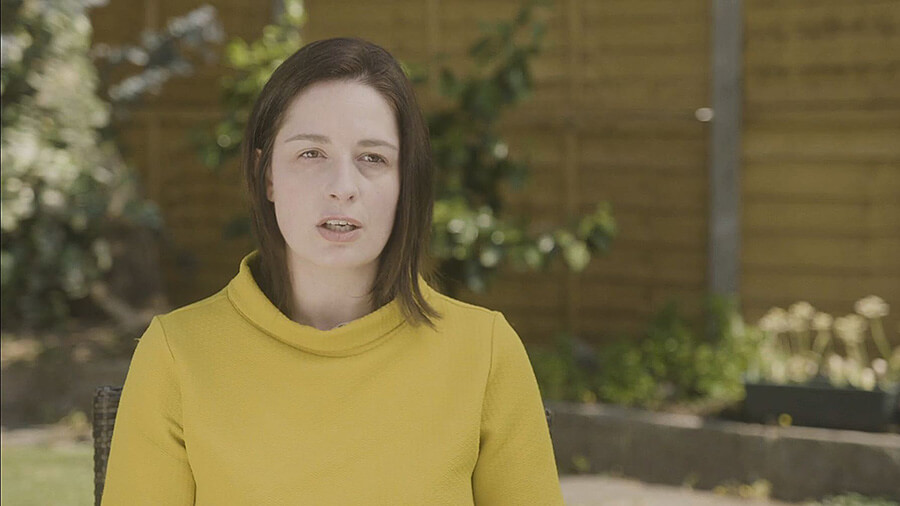
Identify your sources of support
Your peers may have similar concerns and might also benefit from talking about these issues with you. Good sources of support could be:
- in your hospital, Trust or Health Board or surgery
- individually, informally with close colleagues or your wider clinical team
- in staff meetings, training sessions and/or clinical supervision
- peers from other hospitals, clinics etc
- individually, informally
- at conferences and wider training events
- through existing or developing networks like the Association of Early Pregnancy Units or the monthly ‘Professional Pause’ sessions hosted by the Miscarriage Association and the Ectopic Pregnancy Trust*
- mentoring or coaching, via the Clinical Commissioning Group or local training services
* These sessions offer a safe online discussion and learning space to share experiences and reflect on challenging situations in order to support your practice, while also considering your needs. Contact [email protected] for details.
You might also consider:
- your partner, if you have one, or a trusted friend
- your own GP
- talking to us at the Miscarriage Association in strict confidence
- if you prefer not to talk, you can explore other avenues of self-help such as mindfulness and other relaxation techniques, which can reduce stress and help develop emotional resiliance
- Using your reflections as a result of this e-learning for your revalidation
Working in this setting can be draining. It’s important to recognise the signs if or when it’s too much and to think about how to then find ways to help yourself. Professional organisations often offer support, such as the BMA – https://www.bma.org.uk/advice-and-support/your-wellbeing/wellbeing-support-services/sources-of-support-for-your-wellbeing.
After my experiences I did a peer teaching session with my colleagues with an emphasis on communication. We concluded that there is no ideal one size fits all explanation or way of expressing condolences in these situations – even a blanket expression of how sorry you are or referring to the baby can be wrong!…
Further information
- Leaflets from the Miscarriage Association
- Miscarriage Association helpline – 01924 200799
- Support from your professional body, such as the RCN, RCM, RCGP, RCOG, RCEM, SOR, BMUS and the College of Paramedics
Complete You’ve completed all 5 units
Visit the resources and references page for quick access to all the films, good practice guides and links referenced during the e-learning module.